


Bunpo: Language Learning
4.74.30K Reviews
App Specs
- Version
- 3.21.0
- Updated On
- License
- Free
- Downloads
- 1,000,000+
- Developer
- Bunpo
- Categories
- Education
- Platform
- Android
Screenshots

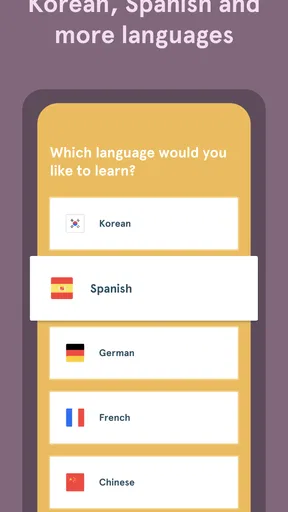
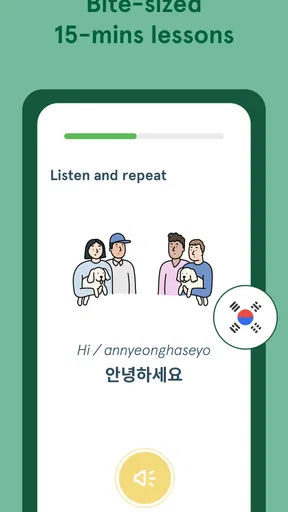
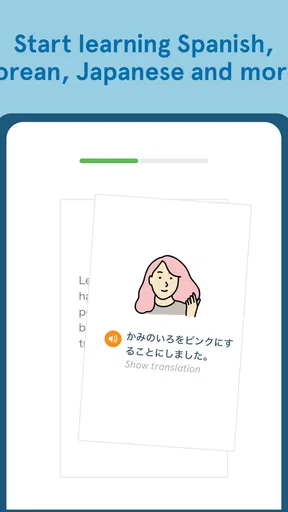
 Analysis by AppCompare
When a Japanese study app becomes part of a household routine, the practical question is not only what one learner can do with it, but how well it fits around different schedules, devices, and goals. I find Bunpo: Learn Japanese most useful as a focused, self-paced study option: it gives a learner a place to work through Japanese grammar and practice, without asking everyone at home to learn in the same way or at the same speed.
A shared device works best with clear learner boundaries
If a phone or tablet is shared, I would treat Bunpo as one learner’s study space at a time rather than as a family classroom. Before a session, it helps to agree whose progress is being recorded and who is choosing the next lesson. That small habit prevents a younger learner’s exploration or a parent’s review session from being mistaken for someone else’s study plan.
This matters especially when household members are at different levels. A beginner may need patient work on basic structures, while someone who has studied Japanese before may want to revisit a particular point. Let each person choose a suitable starting place instead of trying to keep a shared device on one common track. The app can support individual practice, but the household still has to coordinate its own turns and expectations.
Choose a starting point before making it part of the routine
Getting started is easier when a learner first decides what they want from Japanese. Someone preparing for a trip may care about useful phrases and understanding everyday examples; a student may want a steadier grasp of grammar; a returning learner may simply need to rebuild confidence. Those are different aims, so I would try a short session and see whether the lesson style suits the person before planning a long daily routine around it.
For a shared-device household, keep the study session modest and deliberate: one person opens the app, works through a lesson, and leaves a simple note for the next learner about whose turn it is. This is not a special app feature; it is a practical way to keep independent learning from becoming confusing when devices and time are shared. It also makes it easier to notice whether someone is genuinely progressing or merely tapping through exercises.
Why Bunpo suits structured, independent learners
Bunpo is an education app from Bunpo - Learn Japanese. It is free to start, with in-app purchases ranging from $6.49 to $79.99 per item, so I would check the purchase options carefully before letting a child use it unsupervised. The app is rated for Everyone, but that age label is not a substitute for a parent deciding whether a particular learning experience, device arrangement, or spending boundary is right for their household.
At the time of this review, version 3.5.0 is the current version, and the app requires Android 8.0 or later. Its 4.7 average from around 79,000 ratings and more than 1 million installs suggest that it has found a broad audience, though popularity alone cannot tell you whether its grammar-centered approach will suit a specific learner. I would judge that by trying the lesson format rather than treating the rating as a guarantee.
Worth Reading Before You Choose

Flipboard Shows What News Apps Must Do Beyond the Feed

Switching to Android Auto Means Rethinking Your Driving Routine

Google Calendar Makes a Crowded Week Easier to Manage

Ludo King Makes the Most of the Minutes Between Plans

Baby Panda World Brings Quick Play to Modern Phones, but Its Game Library Feels Busy

ESPN’s Live Game View Makes Following Close Games Easier
The main trade-off is the kind of practice it emphasizes. Bunpo’s grammar explanations and exercises are appealing if you like understanding how a sentence works, but they are not the same as speaking with another person or getting conversational feedback. If your household’s priority is live conversation, listening to natural dialogue, or speaking practice with a tutor, another resource may be a better main tool. Bunpo can still complement that work by giving learners a structured way to review grammar on their own.
It is also worth setting expectations around purchases. Free access makes it possible to explore the app without first committing to a purchase, but the existence of paid items means I would check what a learner can reach before handing over a shared device. I would not assume that every household member needs to buy anything, or that one person’s purchase automatically fits another learner’s needs. Decide who is allowed to make purchases and whether the app’s available material matches the learner’s goals.
Using Bunpo as a household learning tool
In everyday use, coordination matters more than trying to make everyone study identically. A parent might use a quiet moment to review a grammar point, while a teenager studies after school and a beginner in the household tries a first lesson on the weekend. Those sessions can coexist if each learner has a clear turn and a personal goal. If the device is shared, avoid leaving one learner’s session open for someone else to continue casually; a fresh start to the session makes it easier to stay focused on the right person’s work.
Make short sessions count without mistaking them for conversation
The bite-sized lesson format is a natural fit for small gaps in the day: a learner could work through a focused exercise while waiting for an appointment or during a quiet break. The useful trick is to finish by recalling the idea without looking at the answer. For example, after a grammar exercise, try making a new sentence aloud or writing one in a notebook. That extra step helps reveal whether the rule has stuck, rather than whether the learner simply recognized the right option on screen.
Audio can add another useful layer, but I would treat it as a prompt for listening and pronunciation practice, not proof that someone can hold a conversation. A learner can listen, repeat, and compare their own attempt with the model, then return to the written example to connect sound and structure. For a household where one person is self-conscious about speaking, this quiet practice may feel less intimidating than starting with a live conversation. It still cannot replace the give-and-take of talking to another person.
Grammar-focused study also benefits from a small notebook or a shared household study note kept outside the app. When a learner repeatedly hesitates over a structure, write down one example and the point that caused confusion. At the next session, revisit that example before moving on. This is a practical way to turn mistakes into a plan, and it avoids assuming that progress tracking alone explains what a learner understands.
Coordinate goals instead of comparing progress
For families studying together, comparing who has completed more lessons can make practice feel like a contest. I would compare goals instead: one learner may be working toward reading more confidently, while another wants to understand sentence structure. Ask each person what felt clear and what still feels awkward. That gives the household a useful conversation without treating different starting points as evidence that one person is better at learning.
A workable routine can be as simple as choosing a regular opportunity to study, then letting each person decide what to review. If plans change, a brief session is still worthwhile, but it is better to stop after a focused effort than to rush through several exercises just to maintain a streak-like habit. Consistency comes from a routine that fits real life, not from making every session the same length.
Parents should also think about account and device boundaries before multiple people use the same phone. I would not assume that a shared device will keep each learner’s work separate automatically. Agree who is using the app, and avoid treating one person’s progress as a family record. If separate learner histories matter to you, check how the app behaves on the devices and accounts you actually use before building a household plan around it.
Who should choose another main resource
Bunpo is a stronger match for someone who enjoys clear explanations, structured exercises, and independent study than for a learner who wants a game-like experience to carry every session. It may also be a poor fit as a sole resource for someone who needs frequent correction on spoken Japanese or wants a teacher to explain personal questions. In those cases, I would use a tutor, class, or conversation partner as the central activity and keep Bunpo for grammar review if its lessons help.
Compared with broad language-learning apps that put equal emphasis on vocabulary drills, streaks, or conversational prompts, Bunpo’s appeal is its attention to grammar and sentence construction. That focus can be a welcome change for learners who feel they have memorized words but cannot see how to connect them. The trade-off is that a grammar-led path may feel less lively to someone who mainly wants casual listening or speaking. It is sensible to pair it with reading, audio, and real conversation rather than expecting one app to cover every part of Japanese.
Likewise, a complete beginner who feels overwhelmed by written explanations may prefer a more guided class or a resource that begins with spoken interaction. That does not make Bunpo unsuitable for beginners, but it does mean that comfort with self-directed practice matters. I would give a new learner a chance to try the first lessons, then ask whether the explanations make the subject clearer. If they feel like a wall of rules, choose a gentler starting point and return later.
Getting Started with Bunpo
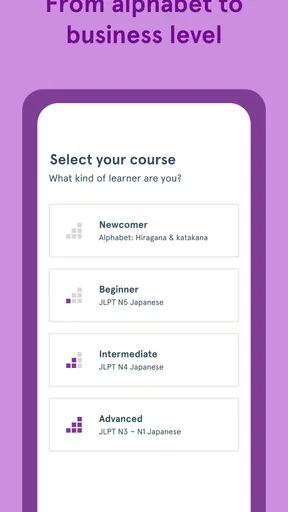
First things first, setting up Bunpo: Learn Japanese is a breeze. The app welcomes you with a clean, user-friendly interface that’s both inviting and intuitive. Whether you’re a total newbie or someone looking to brush up on forgotten skills, Bunpo caters to all levels. You choose your starting point, and the app takes it from there. I love that it doesn’t overwhelm you with too much information all at once.
Once you’re in, the app is all about making your learning journey smooth and engaging. The lessons are bite-sized, making it easy to squeeze in a session during your commute or while waiting for your coffee. Each lesson is designed to be practical and relevant, which is a huge plus in my book.
Diving into the Features
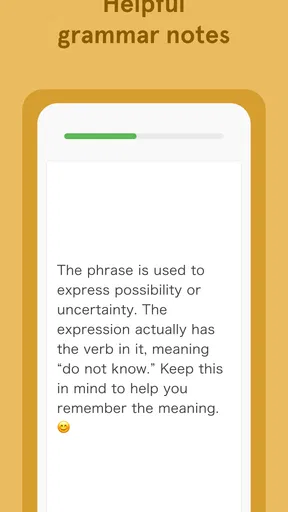
One of the standout features of Bunpo is its focus on grammar. Unlike many apps that skim over this crucial aspect, Bunpo delves deep, offering clear explanations and examples. The app breaks down complex concepts into manageable chunks, so you’re never left scratching your head. Plus, the interactive exercises reinforce what you’ve learned, turning theory into practice.
The spaced repetition system is another highlight. This smart feature ensures that you’re revisiting material at the right intervals, helping to cement knowledge in your long-term memory. It’s like having a personal tutor that knows exactly when you need a refresher.
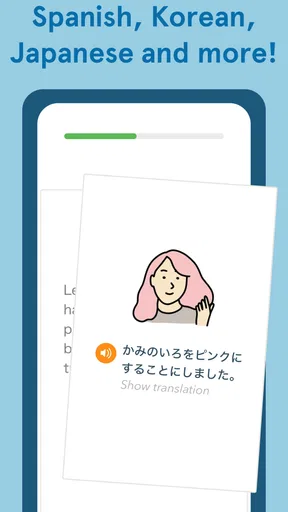
And let’s talk about the vocabulary builder. Bunpo integrates vocab lessons seamlessly into the mix, providing you with a robust lexicon over time. The app also features audio pronunciations, which is great for honing your listening skills and ensuring you're pronouncing words correctly.
Real-Life Application and Practice
What I genuinely appreciate about Bunpo is its emphasis on practical usage. The app includes a variety of example sentences that show how grammar rules and vocabulary come together in real-life contexts. This feature is invaluable for those who wish to not only understand but also apply what they’ve learned in everyday situations.
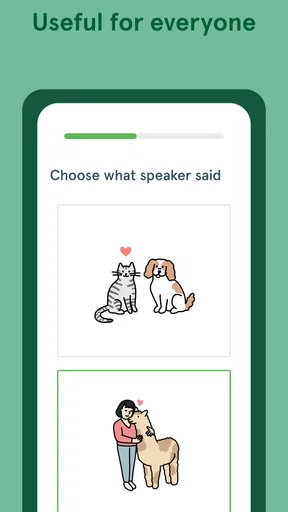
Additionally, Bunpo offers a plethora of exercises that challenge you to apply your knowledge in different ways. From filling in the blanks to constructing sentences, these activities are both fun and educational. They keep the learning experience dynamic and engaging, preventing the dreaded monotony that can often plague language learning.
User Experience and Accessibility
Bunpo scores high on user experience. The app's design is sleek and modern, with a dark mode option for those late-night study sessions. Navigation is seamless, and the app runs smoothly without any hiccups. I found the progress tracking feature particularly motivating. Watching your abilities grow over time provides a satisfying sense of accomplishment.
Another aspect worth mentioning is the app’s accessibility. Bunpo is available on both Android and iOS, and it’s free to download with optional in-app purchases. The premium version unlocks additional content and removes ads, which is a worthwhile investment if you’re serious about mastering Japanese.
Final Thoughts
In the crowded world of language learning apps, Bunpo: Learn Japanese is a breath of fresh air. Its focus on grammar, combined with practical applications and user-friendly design, makes it a standout choice for anyone serious about learning Japanese. Whether you’re just starting your language journey or looking to refine your skills, Bunpo provides the tools you need to succeed.
So, if you're ready to embark on this exciting adventure of learning Japanese, give Bunpo a try. It might just be the app that turns your language dreams into reality.
Pros
- User-friendly interface for beginners.
- Comprehensive grammar explanations.
- Interactive quizzes enhance learning.
- Tracks progress effectively.
- Offline mode for learning on-the-go.
Cons
- Limited content for advanced learners.
- Ads can be distracting at times.
- Some features require a subscription.
- Occasional app performance issues.
- Limited cultural context in lessons.
FAQs for Bunpo: Language Learning
What features does Bunpo: Learn Japanese offer for language learners?
Bunpo: Learn Japanese provides a comprehensive learning experience with features like grammar lessons, vocabulary building, and practice exercises. The app includes interactive quizzes and flashcards to reinforce learning, and users can track their progress through detailed analytics. Additionally, Bunpo offers content for all proficiency levels, from beginner to advanced.
Is Bunpo: Learn Japanese suitable for complete beginners?
Yes, Bunpo: Learn Japanese is designed to accommodate learners at all levels, including complete beginners. The app offers structured lessons that start from the basics of the Japanese language, such as Hiragana and Katakana, and gradually progress to more complex topics. Beginners will find the step-by-step approach helpful in building a solid foundation.
Does Bunpo require an internet connection to function?
Bunpo: Learn Japanese can be used offline, allowing learners to access most lessons and exercises without an internet connection. However, some features, like updates and certain downloadable content, might require connectivity. This offline capability makes it convenient for users to study Japanese anytime and anywhere, particularly when traveling.
Are there any costs associated with using Bunpo: Learn Japanese?
While Bunpo: Learn Japanese offers a free version with access to a variety of lessons and exercises, it also provides a premium subscription. The premium version unlocks additional features, such as advanced lessons and ad-free usage. Users can choose to upgrade if they wish to access more comprehensive content and enhance their learning experience.
How effective is Bunpo for preparing for the JLPT exams?
Bunpo: Learn Japanese is an effective tool for preparing for the Japanese Language Proficiency Test (JLPT). The app offers targeted lessons that align with JLPT levels N5 to N1, focusing on grammar, vocabulary, and kanji. Users can practice with tailored quizzes and receive feedback, making it a valuable resource for exam preparation.


